Host node
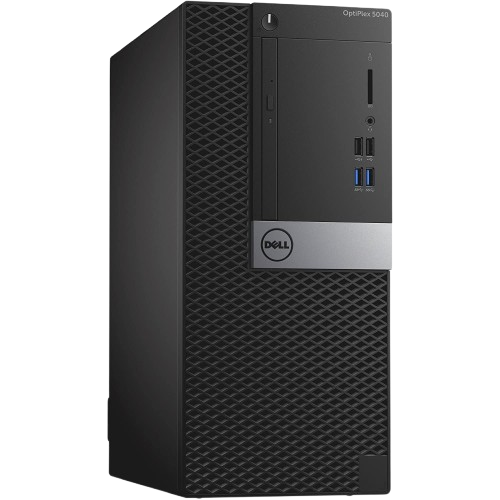
Dell OptiPlex 5040
Hosts services and helps coordinate tasks and connections between systems.
Behind the infrastructure
Nest is a hands-on computing project built around coordinating hardware, hosting services, and learning how systems behave beyond a single computer.
01 / Overview
A computing cluster is a group of connected machines that work together to provide services, distribute tasks, or share processing capacity. Each machine, or node, contributes something different.
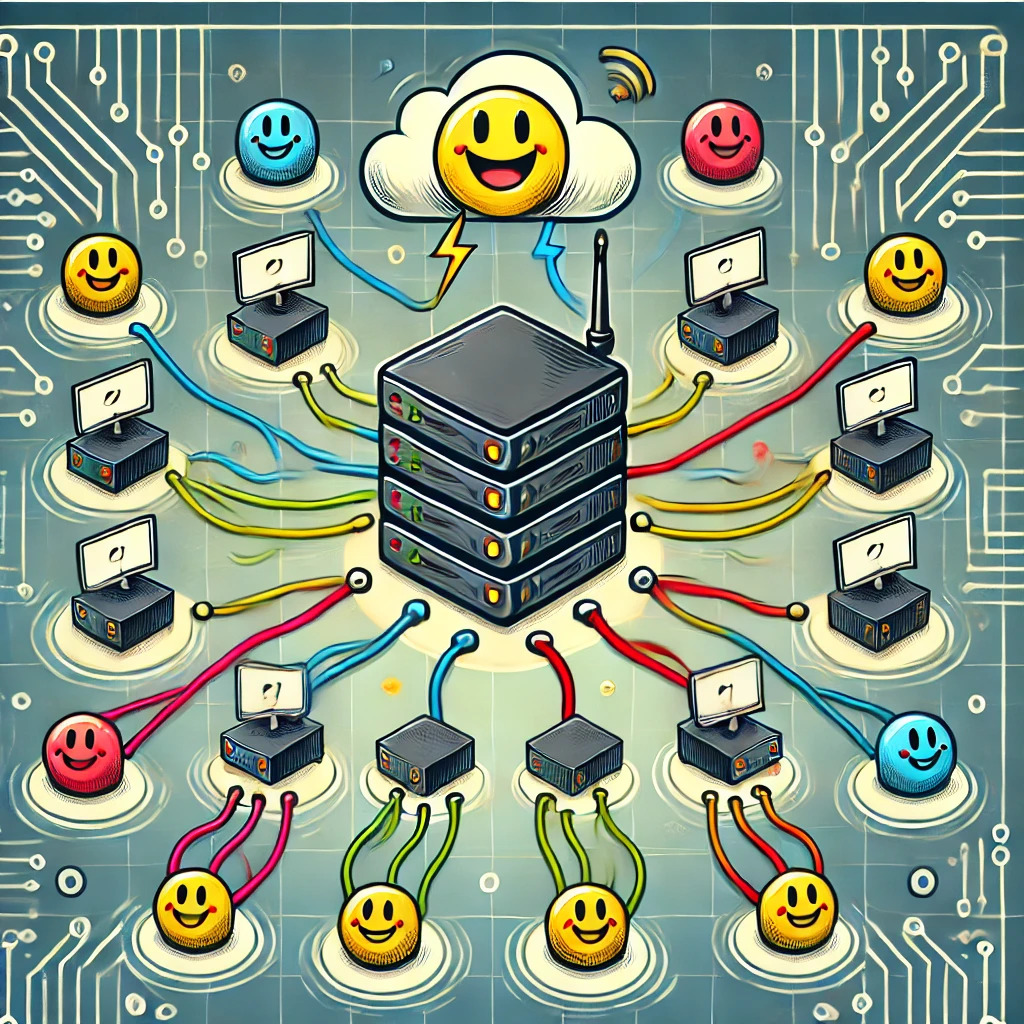
In Nest, a host machine manages services and coordinates other systems. The specific way a workload is distributed depends on the software running on the cluster.
02 / Workflow
03 / Hardware
Nest has been an evolving collection of machines rather than a uniform rack of servers. The hardware below reflects the original project setup.
Host node
Hosts services and helps coordinate tasks and connections between systems.
Display / workstation
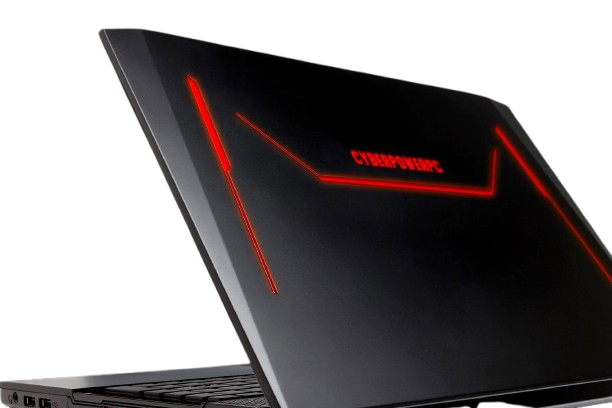
Provides an interface for monitoring and working with the cluster; it can also contribute compute resources.
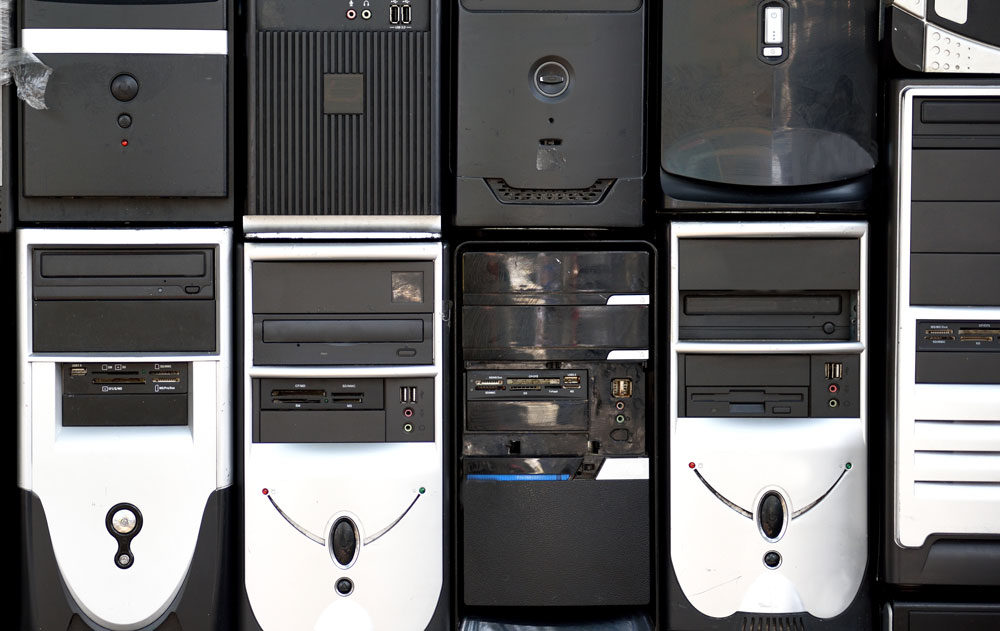
Compute nodes
Workstations, desktops, and small computers give Nest an opportunity to explore heterogeneous environments.
04 / Legacy hardware
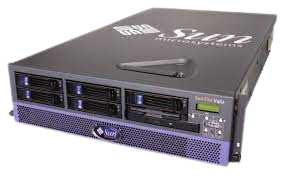
An older Sun Microsystems rackmount server is part of Nest's hardware story. Its AMD Opteron-era platform is useful for learning about server architecture, maintenance, and the practical limitations of legacy equipment.
Older hardware is rarely the most efficient choice—but it can be one of the most interesting to learn from.
05 / Rackmount hardware
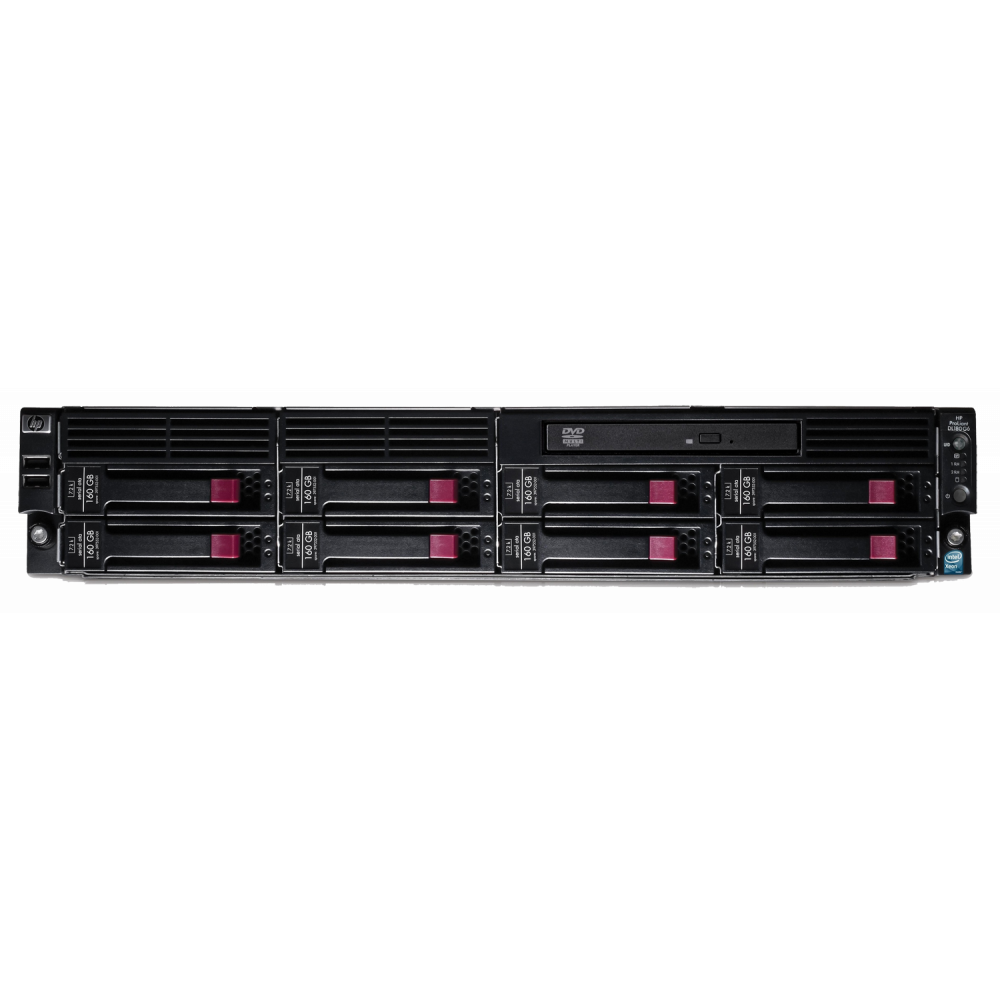
The HP ProLiant DL180 G6 is a storage-focused 2U rackmount server built around an Intel Xeon platform and DDR3 memory. Depending on its configuration, it can accommodate multiple SAS or SATA drives, making it a practical example of enterprise hardware designed around serviceability and storage capacity.
Alongside the Sun Fire V40z, it gives Nest another generation of server hardware to explore—from drive management and system administration to the tradeoffs of keeping older infrastructure useful.